
Choosing a wedding dress is one of the most exciting parts of planning a wedding. With so many styles, fabrics, colours, and designs available, it can also feel overwhelming.
You may love a fitted mermaid gown, a flowing A-line dress, or a classic ball gown. The challenge is finding a dress that suits your personal style, wedding plans, and budget.
The good news is that you do not need to try on every dress you see. Knowing what to look for can make the process easier and more enjoyable.
This guide explains how to choose a wedding dress, from setting your budget to finding a style that feels right for you.
1. Set Your Wedding Dress Budget
Before visiting bridal shops or browsing online collections, decide how much you want to spend on your wedding dress.
Having a budget helps you narrow down your options and avoid falling in love with a dress that costs more than you can afford.
Remember that the price of the dress is only part of the total cost. You may also need to pay for alterations, accessories, shoes, and other finishing touches.
For example, a simple satin wedding dress may need very little additional styling, while a heavily beaded gown might require special care and extra costs. Consider these expenses before making your decision.
Here are a few ways to stay within your budget:
- Set a maximum amount you are comfortable spending.
- Include alterations and accessories in your calculations.
- Compare prices from different bridal shops and designers.
- Consider ready-to-wear wedding dresses as well as custom-made designs.
- Look for sample sales or pre-loved gowns if you want to save money.
You do not need an expensive designer dress to look beautiful on your wedding day. A well-chosen gown that fits comfortably and suits your style can be just as special.
2. Consider Your Wedding Venue and Theme
Your wedding venue can help you decide which wedding dress to choose.
A gown that works beautifully in a grand ballroom may not be the most practical option for a beach ceremony or an outdoor garden wedding.
Think about the setting, weather, ceremony style, and overall mood of your celebration before settling on a design.
Beach weddings


12
For a beach wedding, consider lightweight fabrics such as chiffon, soft crepe, or lightweight satin. Flowing skirts and simple designs can make walking on sand easier.
A long train may look beautiful in photographs, but it can collect sand and become difficult to manage. If you love the look of a train, consider a detachable option or a shorter design.
Garden and outdoor weddings


13
Garden weddings work well with romantic designs, including lace gowns, floral details, and soft A-line skirts. Bohemian wedding dresses are another option if you prefer a relaxed look.
Consider the ground beneath your feet, too. A very long skirt may drag through grass or dirt, so check whether the hem can be adjusted to suit the venue.
Church and formal weddings


10
For a formal church ceremony or ballroom wedding, you might prefer a structured ball gown, an elegant satin dress, or a lace gown with long sleeves.
If your ceremony has a specific dress code, check the requirements before shopping. You can also consider a bridal jacket, cape, or removable sleeves if you want more coverage during the ceremony.
3. Choose a Wedding Dress Silhouette You Love
The silhouette is the overall shape of a wedding dress. It affects how the gown moves, how formal it looks, and how comfortable it feels.
Understanding the main wedding dress styles will help you narrow your search.
A-line wedding dresses

An A-line wedding dress has a fitted upper section and a skirt that gradually widens towards the hem. Its shape resembles the letter A.
This style is popular because it suits many wedding settings, from simple outdoor ceremonies to formal celebrations. You can find A-line gowns in satin, tulle, lace, and other fabrics.
Choose an A-line dress if you want a classic design that allows comfortable movement without the volume of a full ball gown.
Mermaid wedding dresses

A mermaid wedding dress fits closely through the bodice and hips before flaring out around the knees or lower legs. The result is a dramatic shape that highlights the gown’s fitted structure.
Mermaid dresses often feature lace, satin, beading, or decorative appliqués. Some have strapless necklines, while others feature off-the-shoulder sleeves or long lace sleeves.
If you like this style, walk, sit, and move around in the dress before buying it. The fit should allow you to enjoy your wedding without feeling restricted.
Ball gown wedding dresses

Ball gowns feature a fitted bodice and a full skirt. They create a formal, traditional bridal look and are often associated with grand weddings.
Depending on the design, the skirt may use layers of tulle, organza, or structured fabric to create volume. Some gowns have simple satin bodices, while others feature lace, pearls, or intricate embroidery.
A ball gown can be a good choice if you want a dramatic entrance or a traditional princess-inspired wedding look. However, consider the weight of the skirt and how easily you can move in it.
Sheath and column wedding dresses

Sheath and column wedding dresses follow a relatively straight line from the upper body towards the hem. They usually have less skirt volume than A-line gowns and ball gowns.
These dresses often suit brides who prefer clean lines, simple designs, and understated details. Crepe, satin, and lightweight lace are common fabric choices.
A sheath or column dress can work well for a modern city wedding, a small ceremony, or a minimalist celebration. Look for a design that allows you to walk comfortably and sits well when you are standing or sitting.
You do not have to choose a silhouette based on traditional rules about body shape. Start with the styles you genuinely like, then use comfort, fit, and personal preference to guide your final decision.
4. Pick a Fabric That Matches Your Style and Comfort
The fabric affects how a wedding dress looks, feels, and moves. Two gowns with the same silhouette can look completely different depending on the material used.
Consider the season, venue, expected weather, and length of time you will wear the dress.
- Satin: Smooth, with a polished finish. It works well for classic, minimalist, and formal wedding dresses.
- Lace: Available in many patterns, from delicate floral designs to bold geometric details. It adds texture and can create a romantic or vintage-inspired look.
- Chiffon: Lightweight and flowing. It is useful for soft, relaxed designs and outdoor weddings.
- Tulle: A fine, net-like fabric often used in layered skirts and veils. It can create anything from a light, airy shape to a full ball gown.
- Organza: Lightweight and slightly crisp, making it useful for structured skirts that still have movement.
- Crepe: Usually smooth with a subtle texture. It works well for clean, modern wedding dresses with simple lines.
Do not choose a fabric based on appearance alone. Touch it, move around in the dress, and consider whether it feels comfortable against your skin.
For a warm-weather wedding, you may prefer a lighter design with breathable layers. For a cooler setting, a long-sleeved gown or a dress with a matching bridal jacket may be more suitable.
5. Find a Neckline and Sleeve Style You Feel Comfortable Wearing
The neckline and sleeves can change the entire look of a wedding dress. They also affect how much coverage you have and how easily you can move throughout the day.
When deciding how to choose a wedding dress, pay attention to these details rather than focusing only on the skirt.
Popular wedding dress necklines
- Sweetheart neckline: Creates a curved neckline shaped like the top of a heart. It works well with romantic and traditional gowns.
- V-neck: Forms a V shape at the front and can range from shallow to deep. It suits both simple and detailed dress designs.
- Square neckline: Features straight horizontal and vertical edges for a structured, modern appearance.
- Off-the-shoulder neckline: Sits below the shoulders and creates a soft, romantic look.
- High neckline: Provides more coverage and pairs well with lace, embroidery, and long sleeves.
- Strapless neckline: Leaves the shoulders uncovered and can create a clean, simple look.
Try different necklines before deciding. A style you have never considered might become your favourite once you see how it feels and moves.
Should you choose long or short sleeves?
Long sleeves are useful for formal ceremonies, cooler weather, or brides who prefer more coverage. Lace sleeves can add texture without making the entire dress look heavy.
Short sleeves and cap sleeves offer a softer, more traditional appearance. Sleeveless gowns and spaghetti straps are other options for brides who prefer simpler designs.
You can also choose a sleeveless dress with detachable sleeves. This gives you the option to change your look between the ceremony and reception.
6. Choose a Wedding Dress Colour That Suits Your Plans
White is a traditional bridal colour, but it is not your only option. Wedding dresses are available in several shades, including ivory, champagne, blush, and soft beige.
White offers a crisp, traditional look and works well with many wedding themes.
Ivory has a slightly warmer appearance than pure white. It is a popular option for classic and modern gowns.
Champagne adds a soft golden or beige tone. It can work beautifully with warm metallic accessories and vintage-inspired designs.
Blush introduces a gentle pink tone for brides who want something different from traditional white or ivory.
When choosing a colour, view the dress under different lighting conditions. A gown may look different in a bridal shop, outdoors, and in photographs.
You can also consider your wedding decorations and accessories. However, you do not need to match your dress exactly to your wedding colour scheme. Choose a shade you genuinely enjoy wearing.
7. Try on Dresses and Check the Fit
Pictures can help you discover styles you like, but trying on dresses is one of the most useful steps in choosing your wedding gown.
Book appointments at bridal shops where possible. Take a few reference pictures and be open to suggestions, but avoid letting other people’s opinions decide everything for you.
When trying on a dress, check the following:
- Can you sit down, walk, and turn comfortably?
- Does the bodice stay in place when you move?
- Can you lift your arms without discomfort?
- Does the skirt allow you to walk naturally?
- Can you wear the undergarments and shoes you plan to use on your wedding day?
A dress does not have to fit perfectly off the rack. Alterations can adjust the length, straps, waist, and other details. However, ask about alteration costs and timelines before purchasing.
If you are ordering a custom-made gown, confirm your measurements, fabric choice, design details, and delivery date with the dressmaker. Request progress updates so you have enough time to address any changes.
8. Complete Your Look With the Right Accessories
Once you have chosen your dress, select accessories that complement its design rather than compete with it.
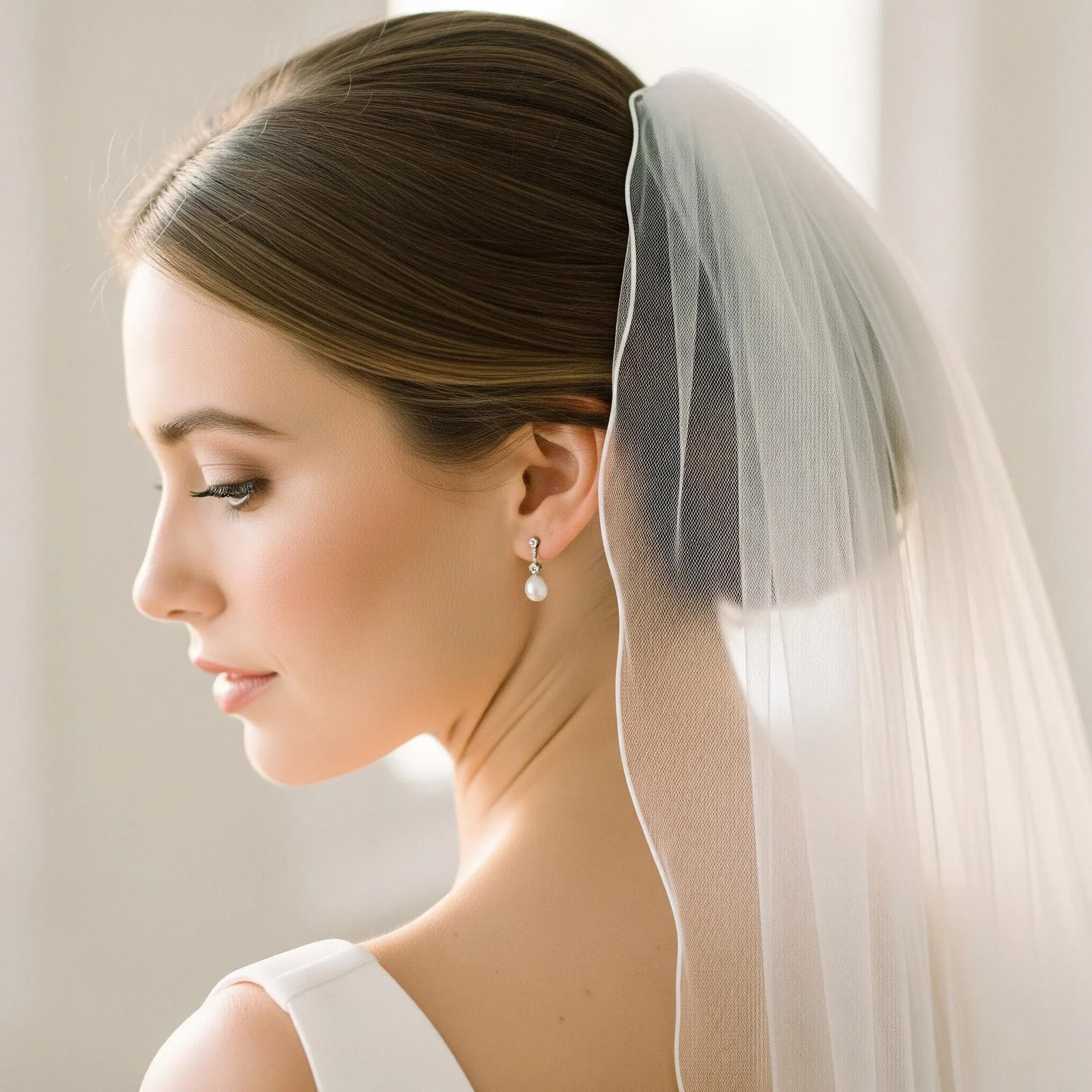
A long veil can complement a formal gown, while a short veil or hairpiece may suit a simpler dress.
Pearl earrings work well with classic bridal styles, while minimal gold or silver jewellery can complement a modern gown.
Choose shoes based on both style and comfort. If your dress is long, make sure your shoes provide the height needed for the hem to sit correctly. Practise walking in them before the wedding.
A bouquet can also complete your look. White flowers and greenery create a classic combination, while soft pink flowers add a romantic touch.
You can choose flowers that complement your dress without matching every detail.
Finally, consider whether you want to wear the same accessories throughout the day. A removable veil, bridal cape, or statement earrings can help you create a slightly different look for the reception.
Conclusion
Knowing how to choose a wedding dress starts with understanding your budget, venue, preferred silhouette, and personal style.
From there, consider the fabric, neckline, sleeves, colour, fit, and accessories that will make the gown work for your wedding.
Take your time, try different designs, and focus on how you feel when wearing each dress.
The best wedding dress is one that reflects your taste, fits your plans, and allows you to enjoy your special day comfortably.