
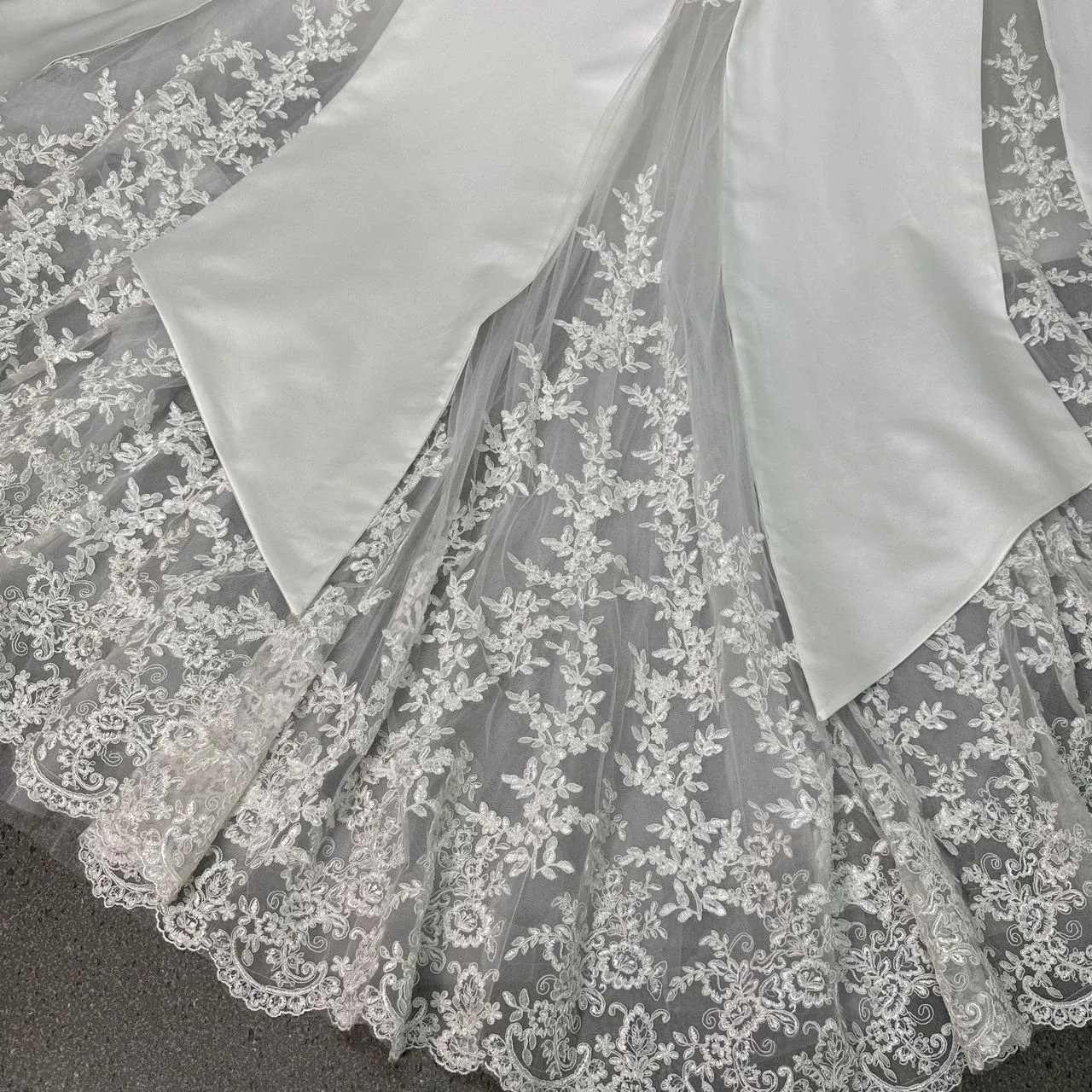
Your wedding dress may hold some of your most treasured memories, but it can also collect dirt, makeup, sweat, and stains.
Whether you want to clean your gown after the wedding or prepare it for storage, knowing how to clean a wedding dress properly can help protect its fabric and details.
The best cleaning method depends on the material, the type of stain, and the dress’s construction. Some gowns can handle gentle handwashing, while others need professional dry cleaning to prevent damage.
Before you reach for detergent or water, take a few minutes to inspect your dress. A careful approach can help you avoid discolouration, damaged lace, and loose embellishments.
1. Check the Care Label Before Cleaning Your Wedding Dress


6
The first step in learning how to clean a wedding dress is checking the manufacturer’s care label. It may recommend dry cleaning, handwashing, or professional cleaning only.
Pay attention to the fabric and any special instructions. Satin, silk, lace, tulle, and polyester can react differently to water, heat, and cleaning products.
Here are some common wedding dress materials and what to consider before cleaning them.
Satin wedding dresses
Satin has a smooth surface that can show watermarks, scratches, and stains. Silk satin needs particularly careful handling, so professional cleaning is usually the safer choice.
Polyester satin may be easier to care for, depending on the gown’s construction. Avoid rubbing the fabric or applying strong cleaning products directly to visible marks.
Lace wedding dresses
Lace can snag, stretch, or lose its shape when handled roughly. This is especially important for gowns with delicate appliqués, embroidered flowers, or handmade lace.
Avoid scrubbing lace with a brush. If the dress has extensive lace detailing, consult a professional cleaner who has experience with bridalwear.
Tulle wedding dresses
Tulle creates the light, airy layers found in many ball gowns and romantic bridal designs. However, the fine netting can tear or catch on jewellery, zippers, and rough surfaces.
Handle each layer gently when inspecting the dress. Do not twist or wring the fabric to remove moisture.
Silk and embellished wedding dresses
Silk, beading, sequins, pearls, and metallic embroidery require extra care. Water or cleaning solutions may affect the colour, finish, stitching, or adhesive used to attach decorations.
For these gowns, professional cleaning is generally the safest option. Never assume a dress is washable simply because its outer fabric looks sturdy.
2. Inspect the Dress and Identify the Stains


8
Before cleaning the entire gown, examine it carefully in good lighting. Pay particular attention to the hem, train, neckline, underarms, and areas around the waist.
The bottom of a long wedding dress often collects grass, dust, mud, and marks from the floor. The neckline may contain makeup or body oils, while the underarms can develop sweat stains.
Make a note of each affected area. This helps you choose the right cleaning method instead of treating the entire dress unnecessarily.
Different stains need different approaches.
- Makeup stains: Foundation, lipstick, and powder can leave marks around the neckline and bodice.
- Sweat stains: These often appear around the underarms and inner bodice.
- Mud and dirt: These commonly collect along the hem and train.
- Food and drink stains: Wine, sauces, and other spills may leave noticeable marks.
- Grass stains: These can be difficult to remove from delicate fabrics and light-coloured gowns.
Avoid rubbing a stain as soon as you notice it. Rubbing can push dirt deeper into the fibres, spread the mark, or damage delicate stitching.
If you cannot identify a stain, or if it has already set into the fabric, ask a bridalwear cleaner to assess it before trying a home remedy.
3. Gather the Right Cleaning Supplies
You do not need a cupboard full of products to care for a wedding dress. However, using the wrong detergent, brush, or stain remover can cause lasting damage.
For a gown that is confirmed to be suitable for gentle handwashing, prepare the following supplies:
- A clean, spacious basin or bathtub.
- Cool or lukewarm water, as permitted by the care label.
- A mild detergent suitable for the specific fabric.
- A clean, white, soft cloth.
- A soft towel for supporting the dress.
- Clean hands or suitable protective gloves.
- A clean, flat surface for inspection and drying.
Choose a detergent that does not contain bleach or harsh whitening agents unless the garment’s care instructions specifically permit them. Coloured cloths may transfer dye, so white cloths are preferable when testing or treating a light-coloured gown.
Avoid household stain removers, vinegar mixtures, and other DIY cleaning recipes unless a qualified cleaner confirms they are suitable. A product that works on everyday clothing may damage silk, lace, or decorative finishes.
Before using any cleaning solution, test it on a hidden area if the care instructions allow it. Stop if the fabric changes colour, texture, or appearance.
4. Decide Whether to Handwash or Use Professional Cleaning
Not every wedding dress should be cleaned at home. The right choice depends on the garment’s care label, fabric, embellishments, lining, and the severity of the stains.
When gentle handwashing may be suitable
Handwashing may be an option for a simple gown made from washable fabric, particularly when it has minimal decoration and clear care instructions permitting water-based cleaning.
Even then, avoid soaking the dress unless the manufacturer allows it. Water can affect some linings, trims, adhesives, and stitched details, even when the main fabric is washable.
When to choose professional cleaning
Professional bridal cleaning is usually the better choice for gowns made from delicate silk, heavily beaded dresses, intricate lace designs, structured bodices, and garments with persistent or unknown stains.
A specialist can assess the fabric and choose a suitable cleaning method. This is particularly important if you plan to preserve the gown for years or pass it down to someone else.
Professional help is also advisable when the dress has yellowed, has large stains, or contains several layers that may react differently to moisture.
Important: Do not put your wedding dress in a washing machine or tumble dryer unless the garment’s care instructions explicitly permit that method. The agitation, heat, and spinning can damage the fabric, embellishments, and internal structure.
5. How to Clean a Wedding Dress by Hand


5
If your wedding dress is suitable for handwashing, take your time and handle it gently. Avoid rushing the process, especially if the gown has several layers or a long train.
Follow these steps to clean your dress safely.
Step 1: Prepare the washing area
Clean the basin or bathtub before filling it with water. Remove any jewellery that could snag the fabric, and wash your hands thoroughly.
Use cool or lukewarm water according to the care label. Add a small amount of suitable mild detergent and mix it into the water.
Step 2: Clean small areas first
If the dress has a small mark, dampen a clean white cloth with the approved cleaning solution. Gently dab the affected area without rubbing or scrubbing.
Always test a hidden area first if the care instructions permit it. Stop if the fabric changes colour or texture.
For stubborn stains, avoid repeatedly applying detergent. A professional cleaner may be able to treat the mark without damaging the surrounding material.
Step 3: Wash the dress gently
If the care label permits soaking or handwashing, lower the gown into the water carefully. Support its weight instead of pulling it by the straps, sleeves, or neckline.
Move the fabric gently through the water without twisting, stretching, or scrubbing it. Pay special attention to dirty areas around the hem, but do not force dirt out of delicate fibres.
Step 4: Rinse thoroughly
Drain the soapy water and follow the care instructions for rinsing. Use clean water at the recommended temperature to remove detergent residue.
Do not wring the dress to remove excess water. Instead, support the fabric carefully and allow the water to drain naturally.
Step 5: Remove excess moisture
Place the dress on a clean, absorbent white towel if the fabric and garment construction permit it. You can gently press another towel against the fabric to absorb moisture.
Never twist the gown or hang a heavy, wet dress by its straps. The extra weight can stretch the fabric and strain the seams.
6. How to Remove Common Wedding Dress Stains

6
Knowing how to clean a wedding dress also means understanding which stains need special attention. The wrong treatment can make a small mark more difficult to remove.
Makeup stains
Makeup often transfers onto the neckline, bodice, or sleeves while you wear the gown. Avoid rubbing foundation or lipstick into the fibres.
If the care label allows spot cleaning, use a clean white cloth and an appropriate fabric-safe cleaning solution. Blot gently and seek professional help if the mark remains.
Sweat stains
Sweat can leave yellow or grey marks around the underarms and inner bodice. These stains may become more noticeable during storage.
Avoid applying bleach or strong whitening products. They can weaken fibres or change the colour of the dress, particularly if it is ivory rather than pure white.
Mud and grass stains
Let loose dirt fall away naturally before attempting any treatment. Do not scrape the fabric with a sharp object or scrub delicate lace.
If the care instructions allow spot cleaning, treat the affected area gently with a suitable solution. Grass stains can be persistent, so professional treatment may be necessary.
Wine and food stains
Blot fresh spills carefully with a clean, white cloth to absorb excess liquid. Do not rub the stain or apply heat.
Tell your cleaner what caused the stain, if you know. Different spills require different treatments, and some stains become harder to remove over time.
7. Dry Your Wedding Dress Without Damaging It
After cleaning, drying is just as important as washing. Poor drying methods can stretch the fabric, create watermarks, or leave moisture trapped in the gown.
Choose a clean, well-ventilated area away from direct sunlight. Strong sunlight can cause some fabrics to fade or yellow.
For a washable dress, lay it flat on clean towels or a suitable drying surface if the garment’s construction allows it. Arrange the layers gently so they can dry without becoming tangled.
Avoid hanging a heavy, wet wedding gown unless the manufacturer recommends it. The weight of the water can stretch delicate fabric and strain the seams.
Do not use a tumble dryer, radiator, or hot hair dryer to speed up the process. Allow the dress to dry completely before placing it in storage.
If the gown has a structured bodice, multiple layers, or heavy embellishments, ask a professional cleaner how to dry it safely.
8. How to Store Your Wedding Dress After Cleaning


9
Once your wedding dress is clean and completely dry, protect it from dust, moisture, sunlight, and accidental stains. Proper storage helps preserve its appearance for future anniversaries, family keepsakes, or resale.
Use an appropriate storage box
An archival-quality box made from acid-free materials is a good option for long-term storage. Use acid-free tissue paper to support folds and reduce sharp creases.
Avoid ordinary cardboard boxes, which may contain materials that contribute to discolouration over time. Do not wrap the dress in coloured tissue paper or newspaper.
Choose a breathable garment bag
For short-term storage, a clean, breathable garment bag may be suitable. Keep the gown in a cool, dry wardrobe away from direct sunlight and sources of moisture.
Avoid storing it in a damp basement, hot attic, or plastic bag that traps moisture. If you live in a humid climate, check the storage area regularly for signs of dampness.
Check the dress periodically
Inspect the gown occasionally for yellowing, musty smells, moisture, or new stains. Address any concerns early rather than waiting until you want to wear or display it again.
If you have an expensive or delicate gown, consider a professional wedding dress preservation service. Ask what the service includes and whether it provides suitable materials for long-term storage.
9. Common Wedding Dress Cleaning Mistakes to Avoid
Even with good intentions, some cleaning habits can damage a wedding gown. Keep these mistakes in mind before you begin.
- Using bleach: It can weaken fibres and alter the colour of the fabric.
- Scrubbing stains: Aggressive rubbing may damage lace, satin, embroidery, and other delicate materials.
- Using hot water: Heat can affect certain fibres, finishes, and stains.
- Ignoring hidden areas: Dirt and perspiration around the hem, neckline, and underarms may remain unnoticed.
- Storing a damp dress: Trapped moisture can encourage mould and unpleasant odours.
- Using a regular hanger on a heavy, wet gown: The weight may stretch the fabric or damage the seams.
When you are unsure about a cleaning method, pause and consult a bridalwear specialist. Protecting the dress is more important than removing every stain in one attempt.
Frequently Asked Questions
Can I wash my wedding dress in a washing machine?
Only if the care label explicitly permits machine washing. Many wedding dresses have delicate fabrics, structured bodices, or embellishments that may be damaged by machine agitation.
Is it better to dry-clean or handwash a wedding dress?
It depends on the fabric and construction. Simple gowns with washable care labels may be suitable for handwashing, while silk, heavily embellished, and structured gowns often require professional cleaning.
Can I remove yellow stains from an old wedding dress?
Sometimes, but the results depend on the fabric, the cause of the yellowing, and how long the discolouration has been present. Avoid bleach and home whitening remedies, and consult a specialist in vintage bridalwear.
Should I clean my wedding dress before storing it?
Yes. Invisible marks from perspiration, makeup, and spills may become more noticeable over time. Have the dress cleaned appropriately and make sure it is completely dry before storing it.
How often should I check a preserved wedding dress?
Inspect it periodically, particularly if you live in a humid environment. Look for signs of moisture, discolouration, or damage, and follow any inspection guidance provided by your preservation specialist.
Final Thoughts
Learning how to clean a wedding dress starts with understanding its fabric, checking the care label, and choosing a safe cleaning method. While some simple gowns can be handwashed, delicate or heavily embellished dresses are usually better left to experienced bridal cleaners.
Once your gown is clean and dry, store it in suitable archival materials or a breathable garment bag. With careful handling and proper storage, you can help protect your wedding dress and keep it looking beautiful for years to come.