
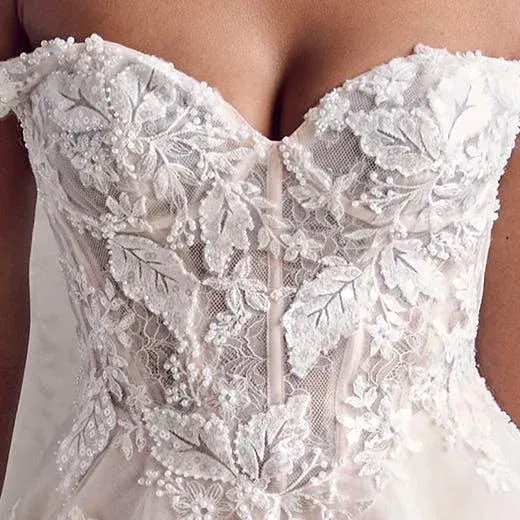
Your wedding dress may hold special memories, but you do not have to keep it in your wardrobe forever.
Selling it can give another bride the chance to wear a beautiful gown while helping you recover some of the money you spent.
If you are wondering how to sell my wedding dress, you have several options.
You can list it on a bridal resale website, sell it through an online marketplace, work with a consignment shop, or find a buyer through social media.
The best approach depends on your dress, its condition, the designer, and how quickly you want to sell it.
This guide explains how to prepare your gown, choose the right selling platform, set a fair price, and attract serious buyers.
1. Choose the Best Place to Sell Your Wedding Dress
The first step is deciding where to list your dress. Some platforms focus on pre-owned bridal gowns, while others let you sell almost anything.
Compare the available options before choosing one. Pay attention to seller fees, payment protection, shipping arrangements, and whether buyers in your country can use the platform.
Sell Your Dress on a Bridal Resale Website

Bridal resale websites connect people selling wedding dresses with brides looking for pre-owned gowns. These platforms can be useful if you own a designer dress, a discontinued style, or a gown that has only been worn once.
Consider these websites:
- Stillwhite is a wedding dress marketplace specialising in pre-owned bridal gowns.
- PreOwnedWeddingDresses.com focuses on buying and selling used wedding dresses and other bridal items.
- Nearly Newlywed is another bridal resale brand to investigate, but check its current operating status and seller options before relying on it.
Read each platform’s current seller terms before creating your listing. Fees, eligibility rules, and available services can change.
Sell Your Wedding Dress on General Marketplaces
General marketplaces can help you reach buyers who are searching for affordable wedding dresses in your area. They may also offer more flexibility when arranging collection or local delivery.
Depending on your country, you could consider:
- eBay, which allows eligible sellers to list bridal gowns and accessories.
- Facebook Marketplace, which can help you connect with local buyers.
- Etsy, particularly if your gown qualifies under its current rules for vintage or handmade items. Ordinary modern resale items may not qualify.
If you live in Nigeria, you can also investigate Jiji for local listings. Check its current rules and use sensible precautions when meeting buyers or arranging payment.
Helpful tip: Choose one specialist bridal website and one suitable local marketplace to start. This gives your dress more exposure without making it difficult to manage enquiries.
2. Clean and Prepare Your Wedding Dress

A clean, well-presented wedding dress is easier to photograph and more appealing to potential buyers. Before listing it, inspect the gown carefully for stains, loose beads, damaged lace, broken zippers, and marks around the hem.
Professional cleaning may be worthwhile, especially if the dress has visible stains or delicate fabric.
Silk, satin, lace, and heavily embellished gowns can require different cleaning methods, so check the care label and consult a specialist before treating the dress yourself.
Avoid using bleach or applying stain removers without confirming they are safe for the fabric. You could permanently damage the material or change its colour.
After cleaning, let the dress dry completely before storing or photographing it. Use a clean, padded hanger when appropriate, and keep the gown away from direct sunlight, dust, and moisture.
Make Minor Repairs Before Selling
Small repairs can improve the overall presentation of your dress. Replace missing buttons, secure loose embellishments, or repair a faulty hook if the work is straightforward and safe for the fabric.
However, do not spend heavily on alterations without considering whether the cost will increase your final selling price.
If a repair is expensive, disclose the issue and let potential buyers decide whether they want to handle it themselves.
Be honest about the dress’s condition. Buyers will appreciate knowing about alterations, small stains, or missing accessories before making a purchase.
3. Find the Designer, Size, and Original Price
Before setting your selling price, gather the details a buyer will want to know. These details also help people find your listing when they search for a specific designer or dress style.
Check the label inside the gown for the designer’s name and size. If you still have the receipt, order confirmation, or original product page, use it to confirm the retail price and style name.
Include the following information in your listing:
- Designer and style: Name the brand and model if known.
- Original price: State what you paid, if you have reliable records.
- Size: Give the labelled size and actual measurements where possible.
- Alterations: Explain whether you shortened the hem, adjusted the bodice, or made other changes.
- Condition: Describe whether the gown is new, unworn, gently used, or has visible wear.
- Included accessories: Mention a veil, detachable sleeves, belt, or other items included in the sale.
Remember that bridal sizing can differ between designers. Providing accurate measurements can help buyers decide whether the dress is suitable for them.
4. Set a Realistic Selling Price
Pricing your wedding dress correctly can make a difference in how quickly it sells. A price that is too high may discourage enquiries, while a price that is too low may leave you with less money than you expected.
Start by checking what similar gowns are listed for on bridal resale websites. Compare the designer, age, condition, original price, and alterations rather than looking at the asking price alone.
A dress with an in-demand designer label and minimal wear may attract more interest than a similar gown with extensive alterations or visible damage. However, the final selling price depends on what a buyer is willing to pay.
Leave some room for negotiation if you are comfortable accepting offers. Decide on your lowest acceptable price before publishing the listing so you can respond confidently to potential buyers.
5. Take Beautiful Photos of Your Wedding Dress

10
Good photos help buyers understand what your wedding dress looks like before they contact you. You do not need a professional camera, but you do need clear lighting and a tidy background.
Hang the gown near a window with natural light. Choose a plain wall or uncluttered room so the dress remains the main focus.
Take several photos from different angles, including the front, back, neckline, sleeves, bodice, and train. Include close-ups of lace, beading, buttons, and any areas with visible wear.
If possible, include a photo of the dress being worn or displayed on a suitable dress form. This helps buyers understand its shape and how the fabric falls.
Avoid heavy filters or editing that changes the dress’s actual colour. Buyers should see the gown as it really looks.
6. Write a Wedding Dress Listing That Attracts Buyers
Your listing should answer the questions a bride is likely to ask before purchasing a pre-owned gown. Use a clear title that includes the designer, dress style, colour, and labelled size when these details are known.
For example, you could write: “Ivory Lace A-Line Wedding Dress, Size 10, Chapel Train.”
In the description, explain the gown’s condition, original price, measurements, alterations, and included accessories. Mention whether it has been professionally cleaned and whether you have the original garment bag.
Keep the description honest and easy to scan. Use natural phrases such as “pre-owned wedding dress,” “designer bridal gown,” and “second-hand wedding dress” where they accurately describe your item.
Here is a simple listing template you can adapt:
Ivory Lace Wedding Dress for Sale
I’m selling my beautiful ivory wedding dress, which is ready for another bride to enjoy.
- Designer: [Insert designer]
- Labelled size: [Insert size]
- Colour: [Insert colour]
- Style: [A-line, mermaid, ball gown, or other style]
- Condition: [Describe honestly]
- Original price: [Insert price, if known]
- Asking price: [Insert price]
- Alterations: [List any changes]
- Included accessories: [List accessories]
The dress features [describe the lace, neckline, sleeves, train, or other details]. It has been [describe its cleaning and storage history].
Please message me for additional photos, measurements, or further details.
7. Promote Your Wedding Dress on Social Media
Social media can help you reach brides who may not be actively browsing resale websites. Share your listing with relevant local wedding groups, bridal communities, and second-hand fashion groups that permit sales.
You can also post photos on Instagram or Pinterest and direct interested buyers to your listing. Use descriptive captions rather than relying only on hashtags.
If you are selling in Nigeria, consider local bridal communities and wedding vendor groups. Buyers may prefer local collection because it can reduce shipping costs and allow them to inspect the dress.
Always check group rules before posting. Avoid sharing your home address publicly, and be cautious of anyone who asks you to pay an unexpected fee to receive payment.
8. Arrange Payment and Delivery Safely
Once a buyer shows interest, agree on the price, delivery method, and who will cover shipping before completing the sale. For local transactions, choose a safe public meeting place if an in-person exchange is appropriate.
For shipped orders, use suitable protective packaging that keeps the dress clean and dry. Fold the gown carefully according to its fabric and construction, and use a sturdy shipping box rather than forcing it into a small package.
Keep your communication and proof of postage. If you sell through a marketplace, follow its payment and shipping procedures so you do not lose any available seller protection.
Be particularly careful with suspicious payment messages, fake transfer receipts, and requests to pay extra money to release funds. Confirm that payment has actually arrived in your account before handing over the gown.
9. Consider a Bridal Consignment Shop
If you do not want to handle photographs, messages, and shipping yourself, a bridal consignment shop may be a useful alternative. These shops display pre-owned gowns and manage some or all of the selling process.
Usually, the shop and seller agree on an asking price and the commission the shop will retain when the dress sells. The exact terms depend on the business.
Before handing over your gown, ask about cleaning requirements, listing duration, commission, payment timing, insurance, and what happens if the dress does not sell. Get the agreement in writing.
This option can be convenient if you prefer less direct involvement. However, compare the expected proceeds with what you might receive by selling the dress yourself.
10. Be Patient and Adjust Your Listing if Needed
Your wedding dress may not sell immediately. The time it takes can depend on the designer, style, price, season, location, and demand for similar gowns.
If you receive few enquiries, review your photos and description first. Make sure you have included accurate measurements, useful details, and a competitive price.
If buyers show interest but do not complete the purchase, consider whether the price, shipping costs, or alteration requirements are discouraging them. You could also offer additional photographs or clarify the condition of the dress.
Avoid lowering the price too quickly without reviewing your options. Give your listing time to reach suitable buyers, then make changes based on the responses you receive.
Frequently Asked Questions
Where is the best place to sell my wedding dress?
Specialist websites such as Stillwhite and PreOwnedWeddingDresses.com are worth exploring. General marketplaces may be more convenient if you want to find a local buyer.
Can I sell my wedding dress after it has been altered?
Yes. Many pre-owned wedding dresses have been altered. Provide the current measurements and explain the changes so buyers can assess whether the gown will suit them.
Should I dry-clean my wedding dress before selling it?
Professional cleaning is often helpful, especially when the gown has visible stains or has been worn for several hours. However, check the care instructions and obtain advice from a specialist if the fabric or embellishments are delicate.
Can I sell a wedding dress that has never been worn?
Yes. You can list an unworn gown as new or unworn, provided the description accurately reflects its condition. Be clear about whether it has been altered, tried on, or stored for a long period.
What should I do if my wedding dress does not sell?
Review your price, photos, and listing details. Consider another marketplace or a consignment shop if your current approach is not attracting suitable buyers.
Final Thoughts
Selling your wedding dress can be a practical way to give the gown a new home and recover part of its original cost. Start by cleaning and inspecting it, researching similar dresses, and choosing a suitable marketplace.
Take clear photos, provide accurate measurements, and set a realistic price. With an honest listing and a little patience, you can improve your chances of finding a buyer who will appreciate your dress.