
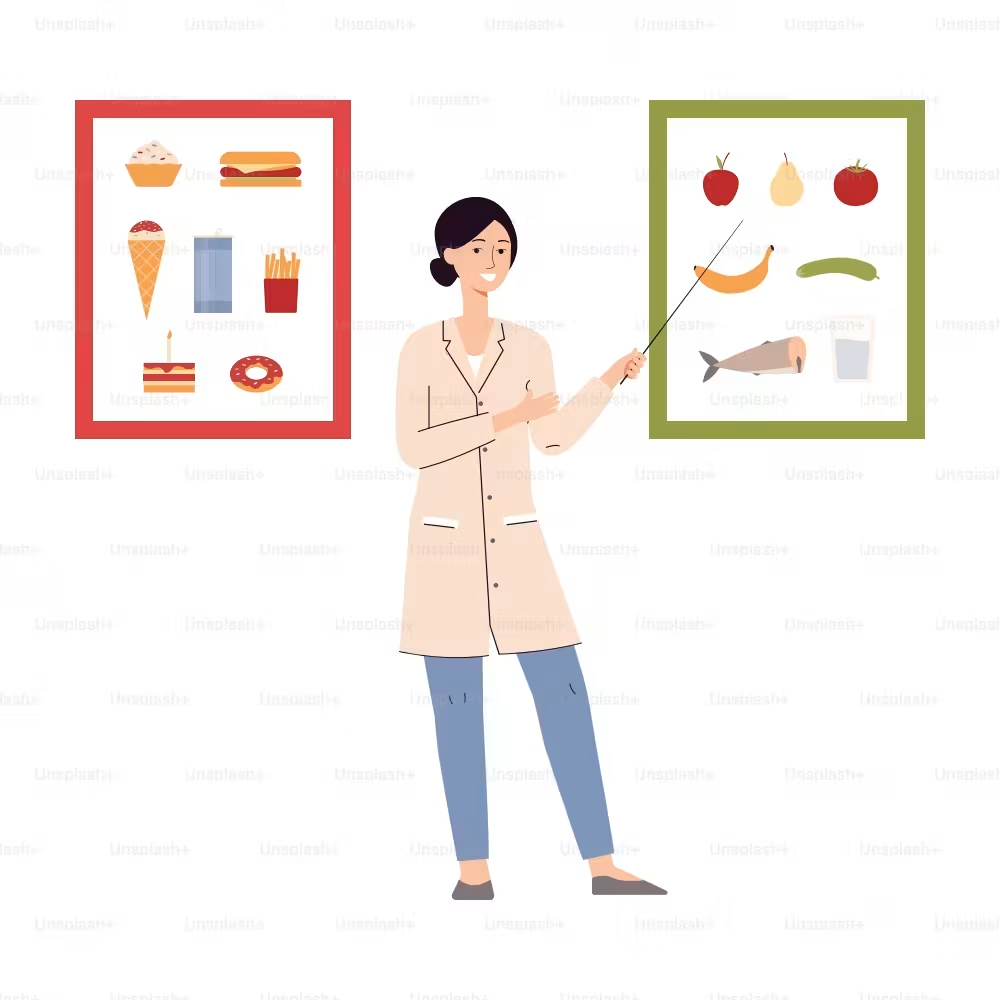
You do not need another complicated diet that forces you to measure out tiny portions of kale or track every single macro down to the gram. Most people quit traditional diets because the constant restriction drains their willpower.
Enter intermittent fasting.
Intermittent fasting is not a diet in the traditional sense. It is an eating pattern that focuses on when you eat rather than what you eat. By simply shifting your daily eating window, you can unlock sustainable weight loss, clearer mental focus, and steady energy levels throughout the day.
If you feel overwhelmed by all the conflicting health advice online, this step-by-step guide will simplify the process. Let’s break down exactly how intermittent fasting works, how to choose the right schedule for your lifestyle, and how to avoid the common mistakes that trip up most beginners.
What is Intermittent Fasting and How Does It Actually Work?
At its core, intermittent fasting splits your day or week into two distinct periods: a fasting window and an eating window.
During the fasting window, you consume zero calories. During the eating window, you eat your daily meals.
To understand why this works, we have to look at how your body handles food. When you eat, your body digests the food and uses that energy immediately. Whatever energy your body does not need right away gets stored as fat for later use.
When you fast for several hours, your body runs out of easily accessible energy from your last meal. With no new food coming in, your body undergoes a metabolic shift. It begins burning through its stored sugar reserves and transitions into burning your stored body fat for fuel.
This process triggers a variety of internal cellular benefits. According to health insights from the Mayo Clinic, intermittent fasting can support metabolic health, reduce inflammation, and help manage blood sugar levels. It gives your digestive system a much-needed break while optimizing your hormone levels for fat loss.
The Most Popular Intermittent Fasting Schedules for Beginners
You do not have to starve yourself for days at a time to see the benefits of fasting. In fact, the most effective fasting schedule is the one that fits seamlessly into your current daily routine.
Here are the three most popular and beginner-friendly intermittent fasting methods.
The 16:8 Method (The Time-Restricted Eating Blueprint)
The 16:8 method is the most popular fasting schedule in the world, and it is the ideal starting point for most beginners. With this approach, you fast for 16 hours and compress your eating into an 8-hour window.
For most people, this simply looks like skipping breakfast.
- Your Eating Window: 12:00 PM to 8:00 PM
- Your Fasting Window: 8:00 PM to 12:00 PM the next day
You sleep through most of your fasting window, which makes this method incredibly easy to sustain. You can still enjoy a satisfying lunch and a hearty dinner with your family.
The 14:10 Method (The Gentle Transition)
If the idea of skipping breakfast sounds too intimidating right now, the 14:10 method is your perfect stepping stone. You fast for 14 hours and eat your meals within a 10-hour window.
- Your Eating Window: 9:00 AM to 7:00 PM
- Your Fasting Window: 7:00 PM to 9:00 AM the next day
This method helps your body adapt to the sensation of fasting without causing intense hunger pangs. It effectively stops late-night mindlessly snacking after dinner, which is where many accidental calories sneak in.
The 5:2 Diet (The Weekly Approach)
The 5:2 method focuses on your entire week rather than your daily schedule. You eat normally for five days of the week without worrying about fasting windows. On the remaining two days, you restrict your calorie intake to roughly 500 to 600 calories.
- Normal Days: Monday, Tuesday, Thursday, Friday, Saturday
- Fasting Days: Wednesday and Sunday (eating only one or two small meals)
This method requires a bit more calorie counting on your fasting days, but it offers incredible flexibility for people who have busy social schedules during the week.
A Step-by-Step Guide to Starting Your First Fast
Success with intermittent fasting does not happen by accident. If you try to jump straight into a strict fasting routine without a plan, you will likely end up grumpy, exhausted, and raiding the pantry by midnight.
Follow this simple, actionable four-step framework to transition into fasting smoothly.
Step 1: Choose Your Ideal Fasting Window
Look at your current schedule and identify your natural eating habits. Are you someone who wakes up starving, or do you naturally prefer a larger meal late at night?
If you love breakfast, set your eating window from 8:00 AM to 4:00 PM. If you cannot live without dinner with your partner, set your window from 1:00 PM to 9:00 PM. Align your fasting window with your life, not the other way around.
Step 2: Ease Into It Gradually
Do not try to go from eating around the clock to a strict 16-hour fast overnight. Start by delaying your breakfast by just one hour for a few days.
Once that feels easy, push it back another hour. Slowly shrink your eating window over the course of two weeks until you comfortably hit your target fasting goal. This gradual approach prevents the sudden headaches and irritability that often plague beginners.
Step 3: Plan Your First Meal (The Fast-Breaker)
How you end your fast is just as important as how long you fast. When your digestive system has been resting for 16 hours, dumping a greasy fast-food meal or a sugary pastry into your stomach will cause a massive blood sugar spike and leave you feeling sluggish.
Focus on breaking your fast with a balance of lean protein, healthy fats, and fiber.
- Great choices include: An omelet with spinach and avocado, a grilled chicken salad, or a protein smoothie with almond butter.
Step 4: Track Your Energy and Mood
Keep a simple notebook or phone log of how you feel during your first week. It is normal to feel a little hungry near the end of your fasting window, but you should not feel dizzy, faint, or completely drained.
If you experience extreme fatigue, your fasting window might be too long, or you might not be eating enough calories during your eating window. Listen to your body and adjust accordingly.
What Can You Drink While Fasting? (The Ultimate Green-Light List)
One of the biggest questions beginners ask is: What will break my fast?
As a general rule of thumb, anything containing calories will break your fast and stop the fat-burning process. Even a tiny splash of milk in your morning coffee can trigger an insulin response.
To keep your body in a fasting state, stick to this approved list of zero-calorie beverages.
Water (Still or Sparkling)
Hydration is your secret weapon against hunger pangs. Often, when you feel a sudden craving during a fast, your body is actually just thirsty. Keep a water bottle with you at all times. Plain sparkling water is also excellent because the carbonation helps fill your stomach and keeps appetite signals quiet.
Black Coffee
You do not have to give up your morning caffeine fix. Plain black coffee contains virtually zero calories and will not break your fast. In fact, caffeine can naturally suppress your appetite and boost your metabolism. Just remember that sugar, creamer, milk, and coffeemate are completely off-limits until your eating window opens.
Plain Tea
Green tea, black tea, and herbal teas (like peppermint or chamomile) are fantastic choices during your fasting window. Green tea is highly recommended because it contains antioxidants that work synergistically with intermittent fasting to support metabolic health. Avoid pre-packaged iced teas that contain hidden artificial sweeteners or sugars.
Bone Broth (The Grey Area)
If you are doing a longer fast and feel completely drained, a small cup of bone broth can rescue your energy levels. While it technically contains a tiny amount of protein and calories, many people use it to get through the final hours of a fast. It provides essential electrolytes that stave off headaches.
5 Critical Intermittent Fasting Mistakes to Avoid
Many beginners start fasting with the best intentions but unintentionally sabotage their results. Watch out for these five common pitfalls so you can protect your progress.
1. Overeating During Your Eating Window
Intermittent fasting is not a magical pass to eat unlimited junk food. If you consume more calories than your body needs during your 8-hour window, you will not lose weight. Fasting creates a natural calorie deficit; do not cancel out that deficit by binging on ultra-processed foods when your window opens.
2. Not Drinking Enough Water
When you stop eating for long stretches, your body drops its water weight quickly. If you do not replace those fluids, you will quickly experience dehydration, which manifests as headaches, muscle cramps, and intense fatigue. Drink water steadily throughout the morning.
3. Jumping Into Advanced Fasts Too Quickly
Consistency beats intensity every single time. Attempting a 24-hour or 48-hour fast during your very first week will likely leave you feeling miserable and ready to quit. Give your gut and your brain at least two to three weeks to adapt to shorter fasting windows first.
4. Choosing the Wrong Eating Window
Do not pick a schedule just because a fitness influencer uses it. If you love eating dinner with your family at 7:30 PM, forcing yourself into a strict eating window that closes at 5:00 PM will create unnecessary stress. Build your fasting schedule around your natural lifestyle.
5. Ignoring Your Body’s Warning Signals
There is a massive difference between mild hunger pangs and true physical distress. It is completely normal to hear your stomach growl occasionally. However, if you feel dizzy, lightheaded, nauseous, or shaky, your blood sugar may have dropped too low. Break your fast immediately with a small meal and try a shorter window next time.
How to Handle Social Events and Dining Out
You do not need to lock yourself in your house or decline dinner invitations just because you are practicing intermittent fasting. This lifestyle is meant to give you freedom, not create a social prison.
If you have a dinner party, a birthday celebration, or a date night planned, simply shift your eating window for that day.
For example, if your standard eating window closes at 8:00 PM but you have a late dinner reservation at 8:30 PM, simply push your first meal back by a few hours that afternoon. Alternatively, you can enjoy your evening out and simply start your fast a bit later that night, pushing your next day’s first meal back accordingly.
Fasting is incredibly forgiving. One late-night meal will not ruin your long-term progress as long as you return to your regular routine the following day.
Frequently Asked Questions About Intermittent Fasting (FAQ)
To ensure you have complete clarity before you begin, let’s address the most common questions beginners face.
Will intermittent fasting cause muscle loss?
No. When you fast, your body increases its production of human growth hormone (HGH), which actually helps protect your lean muscle tissue. As long as you eat enough protein during your eating window and incorporate strength training into your week, you will preserve your muscle mass while burning body fat.
Can women practice intermittent fasting safely?
Yes, but women should generally take a gentler approach. Female bodies are highly sensitive to signs of calorie scarcity. If you find that strict 16:8 fasting disrupts your sleep or your menstrual cycle, scale back immediately to a 14:10 or 12:12 schedule. Mild fasting is often much more sustainable and beneficial for female hormonal health.
How long does it take to see weight loss results?
Most people notice a drop in bloating and water weight within the first week of consistent fasting. Sustainable fat loss typically becomes noticeable around weeks two through four. Focus on staying consistent for at least 30 days before you step on the scale to evaluate your true progress.
Can I exercise while fasting?
Absolutely. Working out in a fasted state can actually accelerate fat burning because your body relies entirely on stored energy. However, if you plan to do a high-intensity workout or a heavy lifting session, try to schedule it right before your eating window opens so you can refuel your muscles immediately afterward.
Your Simple Starting Action Plan
Intermittent fasting is one of the simplest, most cost-effective tools available for improving your health and managing your weight. It removes the stress of constant meal prep and frees up your mornings so you can focus on your day.
To recap your step-by-step launch strategy:
- Pick a gentle schedule like the 14:10 or 16:8 method.
- Set an eating window that aligns with your family life and social habits.
- Stay hydrated during your fasting hours with water, black coffee, or plain tea.
- Break your fast cleanly with a balance of whole proteins and healthy fats.
- Listen to your body and adjust the timing as needed.
Don’t overthink the process. Pick your starting window today, commit to trying it for one week, and see how much better your body feels when it finally gets a chance to rest and reset.